Speakers

Assoc. Prof. Viktor Mravčík, Ph.D
Head of Science, Institute for Rational Addiction Policies
Scientific Advisor of National Drug Coordinator, Office of the Government
Viktor Mravčík is the Head of Science at the Institute for Rational Addiction Policies and Scientific Advisor of National Drug Coordinator. In 2023, he was also elected as an alternate member of the Management Board of the European Union Drugs Agency (EUDA). His expertise spans harm reduction, as well as the study of both licit and illicit drugs. Dr. Mravčík's work focuses on developing and implementing strategies to minimize the negative impacts of drug use through evidence-based approaches. He has been instrumental in shaping policies and practices that address the complexities of addiction and improve public health outcomes. His contributions are vital in advancing the field of addiction science and promoting rational, effective drug policies.

Aileen O'Gorman, BA MSc Ph.D
Professor of Substance Use and Social Policy, University of the West of Scotland
Aileen O'Gorman has over 25 years’ experience in drugs research, education and advocacy in the UK, Ireland, and internationally. Her research explores the intersection of social inequalities and mental ill health with drug-related harms, and the impact of drug and social policies on communities of place. Her work is conducted collaboratively with people who use drugs, civil society organisations, policy makers, practitioners, service providers and researchers across disciplines and aims to impact on social and drug policy and practice. Current research focuses on drug-related deaths – developing a social autopsy methodology and a social determinants framework to assess the social, structural, and systemic factors contributing to deaths. She is Vice President of the International Society for the Study of Drug Policy (ISSDP), leads an EU network on the Social and Structural Determinants of Drug-Related Deaths, and lectures on the Contemporary Drug and Alcohol Studies (CDAS) programme at UWS.

Prof. Dr. Wim van den Brink
Emeritus Professor of Psychiatry and Addiction at the Academic Medical Center, University of Amsterdam
Prof. Dr. Wim van den Brink is Professor of Psychiatry and Addiction at the Academic Medical Center of the University of Amsterdam and former Director of the Amsterdam Institute for Addiction Research. A leading figure in addiction medicine, he has authored over 600 scientific publications on epidemiology, neurobiology, pharmacological and psychosocial treatments of substance use disorders. He is a past president of the European Association of Addiction Psychiatry and recipient of several prestigious awards, including the European Addiction Research Award (2017).

Katrin Schiffer
Director of the Correlation-European Harm Reduction Network (C-EHRN)
Katrin Schiffer studied social work in Germany and moved in 1994 to the Netherlands. Since then she worked in several organisations and projects targeting people who use drugs and sex workers. Since 1996, she works for De Regenboog Groep – a low-threshold organisation targeting people who use drugs, homeless people and people with mental health problems. She coordinates and participates in EU projects since 1997 and coordinates Correlation-European Harm Reduction Network since 2005. As such, she is organising different European activities, events, conferences and training events in the area of harm reduction, drug policy, social inclusion, advocacy and civil society involvement. Katrin graduated at the Netherlands School for Public and Occupational Health as a Master of Public Health (MPH).

Linda Montanari
Principal Scientist, European Union Drugs Agency (EUDA)
Linda Montanari is a health sociologist. After 7 years working in the Italian drug addiction services, in 2000 she moved to the European Union Drugs Agency (EUDA) as a principal scientist. At EUDA she coordinates the areas of drugs and: prison, mental comorbidity, and gender. She has coordinated the 2015 EMCDDA report on comorbidity, 2021 report on prison and drugs and she set up the European Drugs and Gender Group aiming at systematic inclusion of a gender perspective in the drug field in Europe.

Dr. Pavel Bém, Ph.D.
Psychiatrist and Head of Family Therapy at the 1st Medical Faculty, Charles University Hospital in Prague
Member of the Czech Government Council for Coordination of Addiction Policy
Dr. Pavel Bém is a Czech politician, psychiatrist, and former Mayor of Prague, as well as a former Member of Parliament. He served on the National Drug Commission and advised the Prime Minister on drug issues. He specialized in psychiatry and dedicated his career to drug abuse prevention, treatment, and policy. As one of the founders of Czech drug policy, he helped shape public health–oriented approaches across Central and Eastern Europe and beyond. A former Czech “Drug Tsar,” he has worked with the EU, UN, WHO, and other international bodies. He was twice elected Vice-President of the Committee of the Regions of the European Union. In Czechia, he introduced the Czech medical cannabis law. Since 2012, he has been a member of the Global Commission on Drug Policy.

Ondřej Kolář
Member of the European Parliament
(Group of the European People's Party)
Ondřej Kolář is a Member of the European Parliament, serving on Committees focused on foreign affairs, development, security, and human rights. He is also a member of the Delegation to the Euronest Parliamentary Assembly. Prior to his involvement in politics, he worked at New York University in Prague. In 2014, he was elected district mayor of Prague, and in 2021, he was elected a Member of the Czech Parliament. His background studies are in media and law.

Cyrus Engerer
Former Member of the European Parliament
Cyrus Engerer is a former Member of the European Parliament. Notably, he was a member of the Committee on the Environment, Public Health and Food Safety, and a member of the Special Committee on Beating Cancer. As an MEP, he was vocal about the importance of shifting the narrative on addiction towards a more humane approach, advocating for evidence-based policies that seek to reduce the health, social, and economic harms of drug use to individuals, communities, and societies as a whole. With a background in communications, his work focuses on human rights and mental health advocacy.
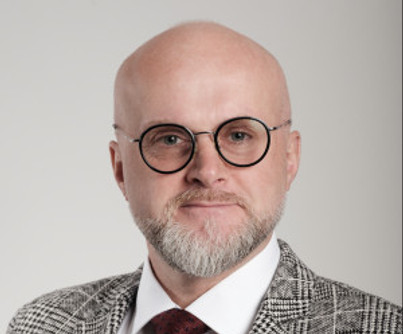
Dr. Krzystof Landa, M.D.
Former Deputy Minister of Health of Poland
President of the Ukrainian Society of Evidence Based Health Care
Krzysztof Landa is physician, entrepreneur and civil servant. Active as an entrepreneur, he founded and managed businesses in the field of health and pharmaceuticals. He then entered the Polish Ministry of Health as Deputy Minister of Health, where his responsibility included drug policy, mapping of health needs, and the reimbursement and price of medical devices and health procedures. Moreover, he is the President of the Ukrainian Society of Evidence Based Health Care and the Founder of Watch Health Care Foundation.

Jana Michailidu, Msc.
Advisor to the Czech Ministry of Justice on Addiction Policy & Head of IRAP Expert Center
Alternate Member of the Management Board of the EUDA
Jana Michailidu is an Assistant Professor at University of Chemistry and Technology Prague and serves as an Advisor to the Ministry of Justice on Addiction Policy. With a focus on public health and policy, her expertise lies in the regulation of psychoactive substances, harm reduction strategies, and the development of comprehensive drug policies. She has been involved in legislative efforts, particularly in relation to psychomodulatory substances, decriminalization of cannabis, working towards innovative frameworks that balance regulation with public health considerations.

Rafaela Rigoni, Ph.D.
Head of Research, Correlation-European Harm Reduction Network (C-EHRN)
Rafaela Rigoni is Head of Research at the Correlation-European Harm Reduction Network (C-EHRN), with over 20 years of experience in drug policy and harm reduction. With a background in psychology and experience working in public mental health for people who use drugs, she holds a PhD in Development Studies. Rafaela specialises in monitoring, evaluation, and qualitative research, leads the Civil Society Monitoring of Harm Reduction in Europe, and has recently contributed to research on the mental health of harm reduction staff in Europe.
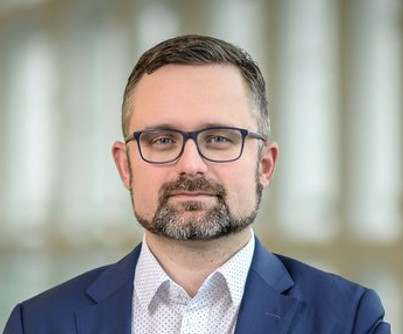
Mikuláš Peksa, Ph.D.
Former Member of the European Parliament
Member of the Regulatory Board of the Institute for Mental Health and Addiction Studies (IMHAS)
Mikuláš Peksa is a former Member of the European Parliament. His work focuses on mental health and social media addiction. Peksa has been actively involved in addressing the impact of social media on mental health and advocating for policies to mitigate its negative effects. His efforts aim to raise awareness and promote healthier interactions with social media platforms. Through his political and advocacy work, Peksa contributes to the development of strategies and policies that support mental well-being in the digital age.

Dr. Ladislav Kážmér, Ph.D.
Researcher, National Institute of Mental Health, Czechia (NIMH)
Member of Scientific Board of Institute for Mental Health and Addiction Studies (IMHAS)
Ladislav Kážmér is a researcher at the National Institute of Mental Health. His work focuses on the study of legal substances such as alcohol and tobacco, as well as gambling. Dr. Kážmér is dedicated to understanding the patterns and impacts of these behaviors and developing effective strategies to mitigate their negative effects. His research contributes to the creation of evidence-based policies and interventions aimed at reducing harm and improving public health outcomes related to legal substance use and gambling.
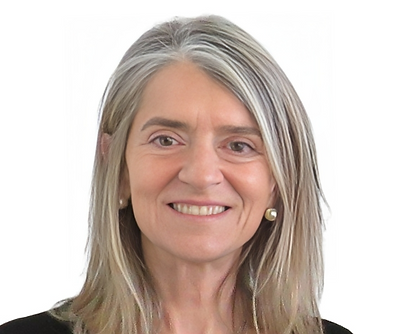
Alcina Correira
Department of Research, Monitoring and Communication Director, Institute on Addictive Behaviours and Dependencies (SICAD)
Alcina Correia is currently Director of Research, Monitoring and Communication at the Institute on Addictive Behaviours and Dependencies (ICAD), the national governmental body under the Health Ministry responsible for coordinating policy on illicit drugs, alcohol and behavioral addictions such as gambling and internet. In this role, she leads the development and coordination of the national evidence base on addictive behaviours and dependencies, leads the national information system, manages the research network, and directs strategic communication efforts targeting citizens, professionals and decision-makers. She contributed to Portugal’s decriminalisation policy, introducing a preventive intervention model focused on early identification of moderate-risk users and referral to support services.

Tomáš Sadílek
Expert on International Drug Regulations
Member of the Regulatory Board of the Institute for Mental Health and Addiction Studies (IMHAS)
Tomáš Sadílek has an extensive experience working for the Office of the Government of the Czech Republic in the field of legal and illegal drugs. He represented the Czech Republic in drug-related meetings in the United Nations institutions in Vienna and New York and in meetings in the EU area, Eastern Partnership countries area, and the US.

Helena Gherasim
Head of the Association of Providers of Addiction Services (APAS)
Member of the Czech Government Council for Drug Policy Coordination
Helena Gherasim is a member of the Czech Government Council for Drug Policy Coordination a psychologist and a psychotherapist. She is currently a Head of the Association of Providers of Addiction Services (APAS), an association of NGOs providing services for persons threatened by addictive behaviours, an umbrella organisation bringing together 35 organisations in the Czech Republic.

Michael Fanta, Ph.D.
Research and lecturer at the Anglo-American University in Prague (AAU)
Co-founder of European Economic Competitiveness Institute (EECI)
Michael Fanta is the Chief Analyst at the Center for Economic and Market Analysis and a researcher at the Anglo-American University in Prague. He focuses on the economics of network industries, shadow economy, alcohol consumption and regulation, addictive behaviour, and analysis of unintended consequences of regulation and taxation. His work contribute to developing strategies and policies that aim to better inform consumers and mitigate the risks associated with these substances.